Features do not age in isolation. As cheek support softens, the entire face can change. The midface may seem flatter, the under-eye area can look more tired, and the lower face may lose some of its definition. That shift often makes patients look older, even in the absence of deep wrinkles and loose skin.
Drs. Geronemus and Hashemi use injectable fillers as part of an overall rejuvenation plan and typically combine the injectables with laser procedures and Botox, when needed, at the same treatment session.
Patients can restore balance and structure with cheek filler. NYC patients have options for aesthetic care, but for the highest quality care, patients should consider Roy Geronemus, MD.
Dr. Roy Geronemus and Dr. David Hashemi use dermal fillers with a conservative, anatomy-driven approach that focuses on making natural-looking corrections. By replacing volume in the right areas, our physicians can bring back lift, contour, and balance without surgery.
How Cheek Filler Restores Facial Balance
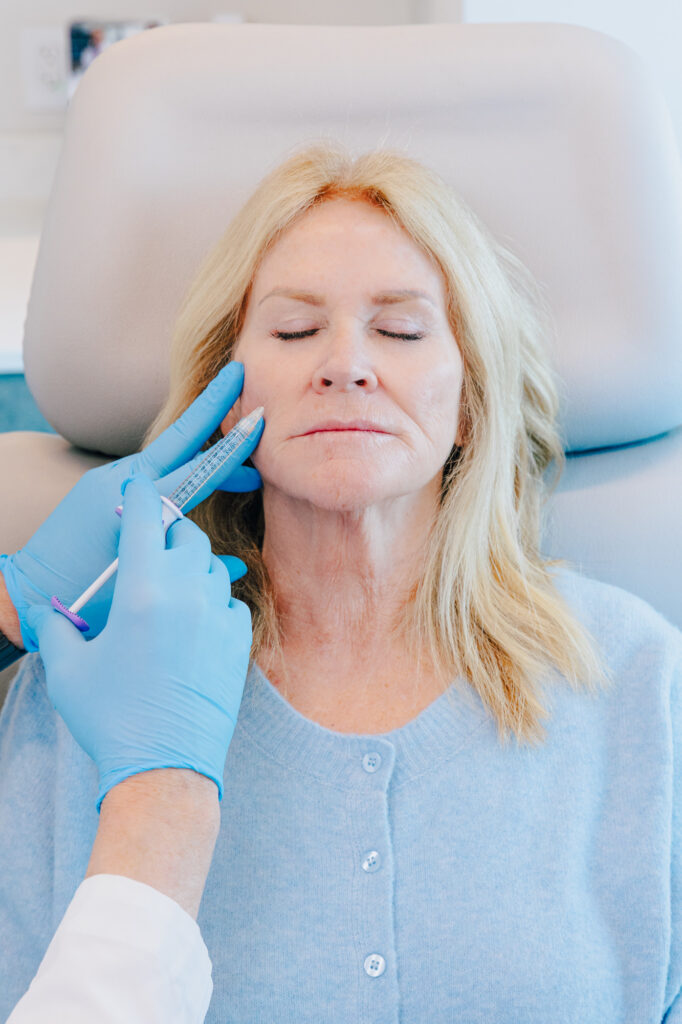
The cheeks support facial proportions. When that support diminishes, the face looks heavier, flatter, and less defined. Cheek fillers restore volume in targeted areas, which can improve contour and bring structure back to the midface.
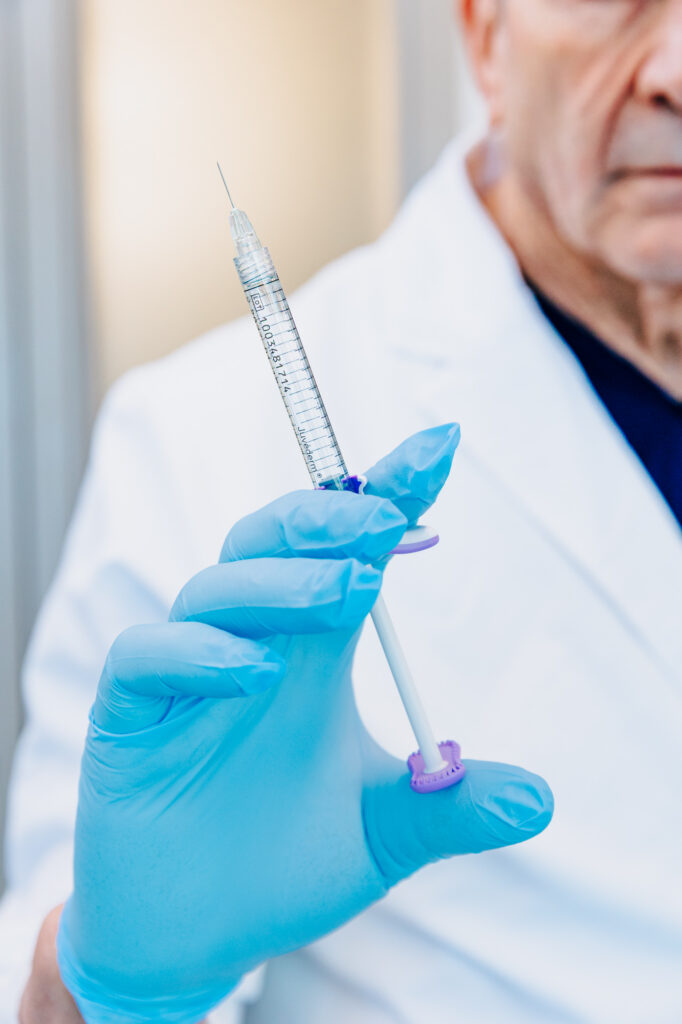
The effect is often more comprehensive than patients expect. Better cheek support can make the face look more lifted, smoother, and more balanced without completely changing the patient’s appearance.
The Consultation Process
A consultation helps determine if cheek filler is the right treatment and how much the patient actually needs. Dr. Roy Geronemus or Dr. David Hashemi examines the face, reviews the patient’s goals, and determines how much filler they need.
Some patients need more projection. Others need a softer return of contour. The consultation also covers product selection, results duration, and how the filler may address other concerns, such as under-eye hollows, smile lines, or facial asymmetry.
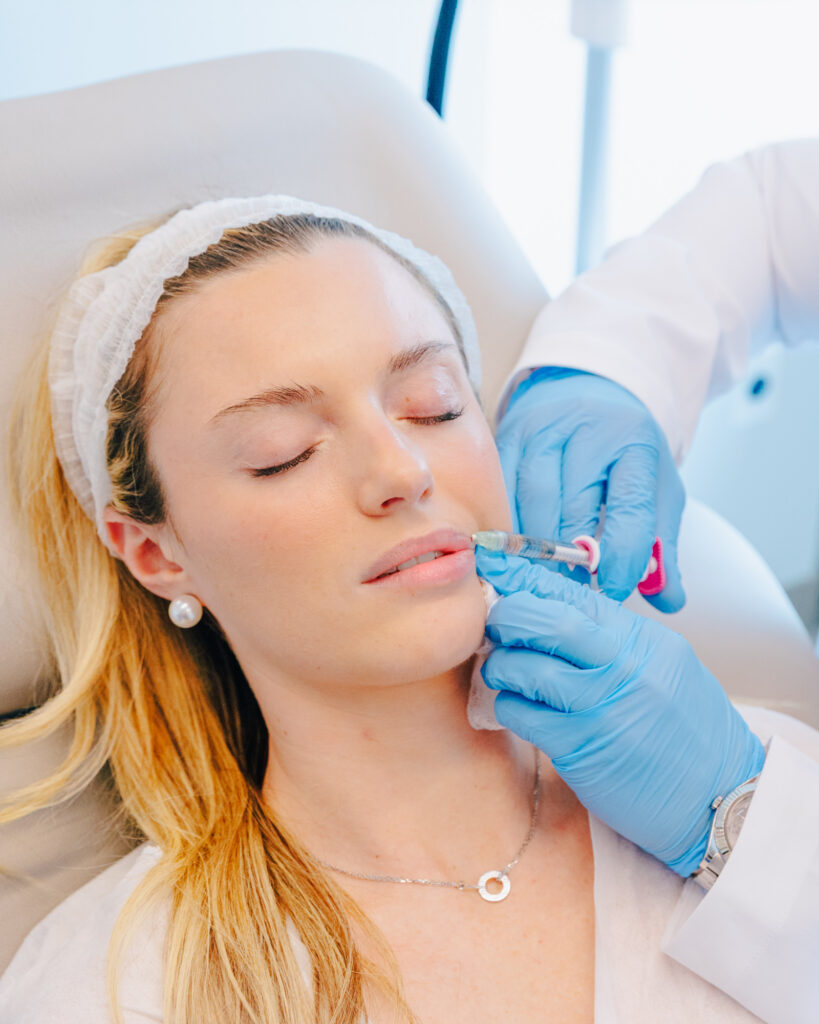
For patients interested in cheek filler in NYC, the evaluation turns general cosmetic goals into a concrete treatment plan. It also gives our physicians the chance to decide whether cheek filler alone will create the best result, or if patients should combine it with another treatment, like lip filler.
How Our Experts Personalize the Injection Process
Cheek fillers work best when physicians match the injections to the face instead of following a standardized treatment plan.
Dr. Roy Geronemus and Dr. David Hashemi consider cheek shape, volume loss, and facial proportions to determine where support can create the most natural improvements. Some patients need more lift in the upper cheek, and others need broader structure through the midface. Product choice and placement matter, especially when the goal is a balanced result.
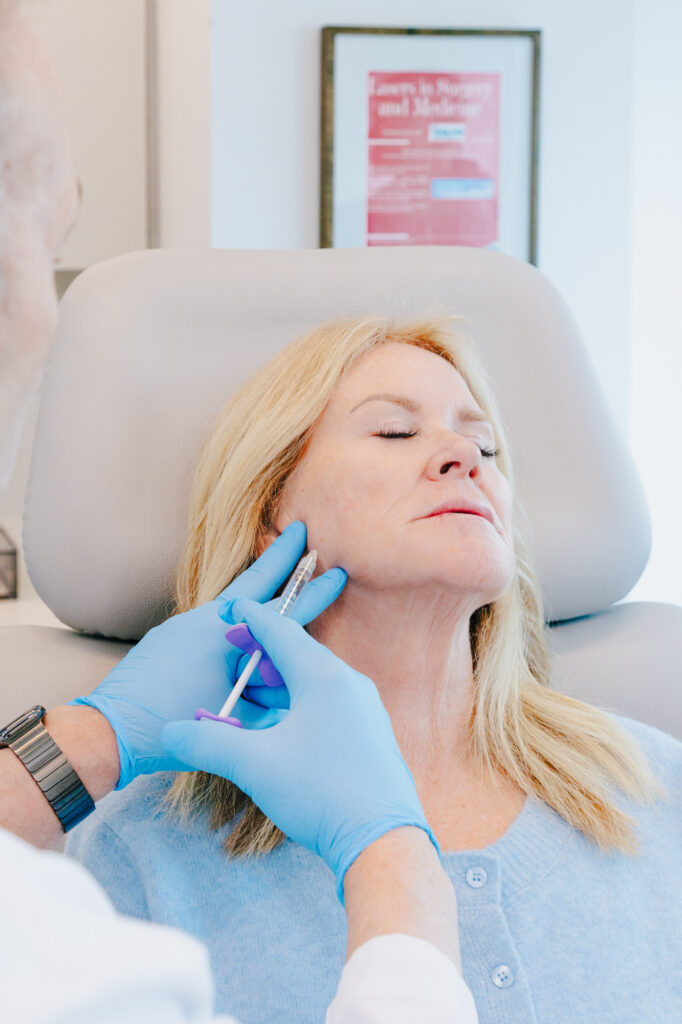
A small change in placement can shift the whole effect of the treatment, which is why the physician’s technique matters as much as the filler itself.
What Recovery Looks Like
The recovery process following cheek filler injections is mild, but patients should still expect a short settling period. Some side effects may arise following injections of cheek filler. NYC patients may experience concerns like:
- Swelling
- Bruising
- Redness
- Pain
- Tenderness
- Itching
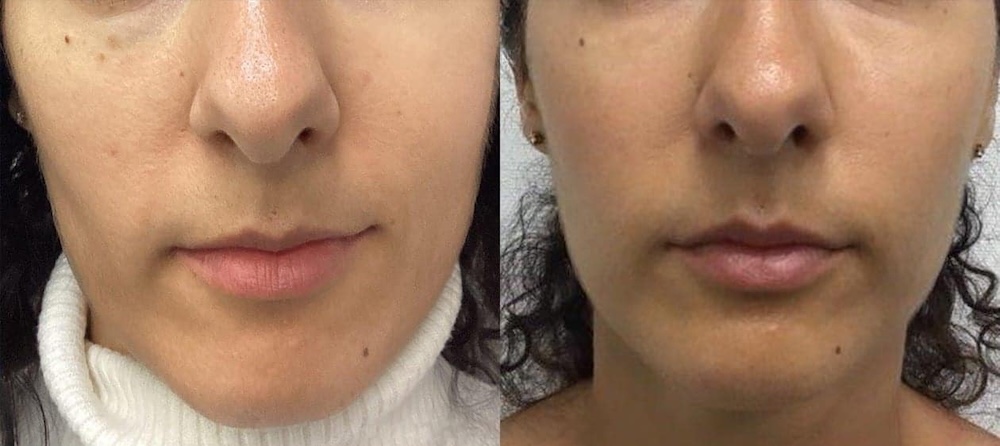
These side effects can make the cheeks look slightly uneven at first, especially before swelling resolves, but the early stage does not reflect the final result. Filler needs time to settle, and the face looks more natural after that first phase passes. This is one reason our before and after gallery can be helpful. It gives patients a better sense of what a settled result looks like instead of focusing only on immediate post-treatment changes.
Frequently Asked Questions
What kinds of fillers do you inject into the cheeks?
Doctors frequently use hyaluronic acid for cheek filler. NYC patients often prefer these fillers because they can restore fullness and contour. During the evaluation, Dr. Roy Geronemus or Dr. David Hashemi examines the patient’s face to choose the option that best fits their goals.
How long does cheek filler usually last?
Duration varies. Results can last for several months, but it depends on the area treated and how the body responds. Longevity also varies between patients.
Can cheek filler help the lower face look better?
Yes. Restoring support in the cheeks can affect how the lower face looks because the midface helps set facial balance. Better cheek structure can make the face look less flat and improve the transition into nearby areas. That is one reason many patients seek cheek filler specifically for the lower face.
Is cheek filler only effective for treating major volume loss?
No. Some patients pursue cheek filler because they want subtle contour improvement rather than major correction. A small amount of support can still make the face look fresh and more structured. The amount needed depends on the patient’s anatomy and goals.
Can filler help with facial asymmetry?
Yes. Filler can improve uneven volume or contour differences that affect balance across the face. The correction does not have to be dramatic to make the face look harmonious.
How do I know if I need cheek filler or another filler treatment?
That decision comes from the consultation. Some patients think they need treatment for the lower face when the real issue starts higher in the midface. Dr. Roy Geronemus or Dr. David Hashemi evaluates where support has changed and which area will create useful improvements.
Sit Down With Our Team
If you are thinking about getting cheek filler in NYC, the next step is to find out what your face actually needs. A physician’s evaluation makes that distinction clear. Dr. Roy Geronemus or Dr. David Hashemi can assess the midface, explain how filler may improve balance, and decide what kind of treatment plan best fits your goals.
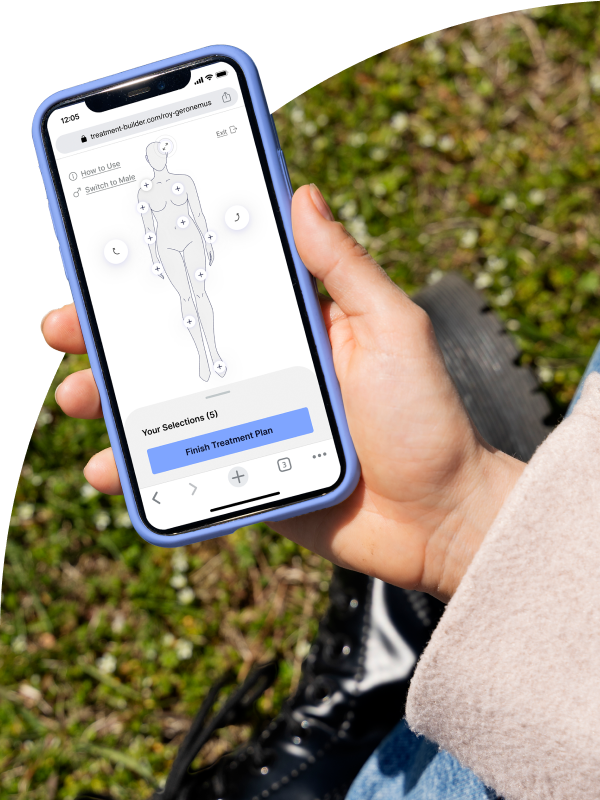
If you are ready to move forward, request an appointment online or use our treatment planner to explore the treatments that best fit your concerns, comfort level, and aesthetic priorities.